Lighting is one of the most critical aspects of photography. It can transform an ordinary photograph into a work of art by creating depth, highlighting details, and setting the mood. Understanding how to manipulate and control lighting is a valuable skill for both amateur and professional photographers.
Natural Light
One of the best sources for impressive pictures is natural light. The golden hours—shortly after sunrise and just before sunset—offer a soft, warm glow that enhances skin tones and adds a magical quality. These times of the day provide an ideal opportunity to capture stunning outdoor portraits and landscapes.
When working with natural light, direction is essential. Side-lighting can emphasize textures, adding dimension to your subjects, while backlighting can create a dramatic silhouette or halo effect. Experimenting with different angles and orientations can yield remarkable results.
Artificial Light
Mastering artificial light opens up a host of creative possibilities. Flash, for example, can be used to fill in shadows, freeze motion, or create a burst of sharp illumination. Off-camera flash systems allow for even greater control and creativity, enabling you to position lights at different angles.
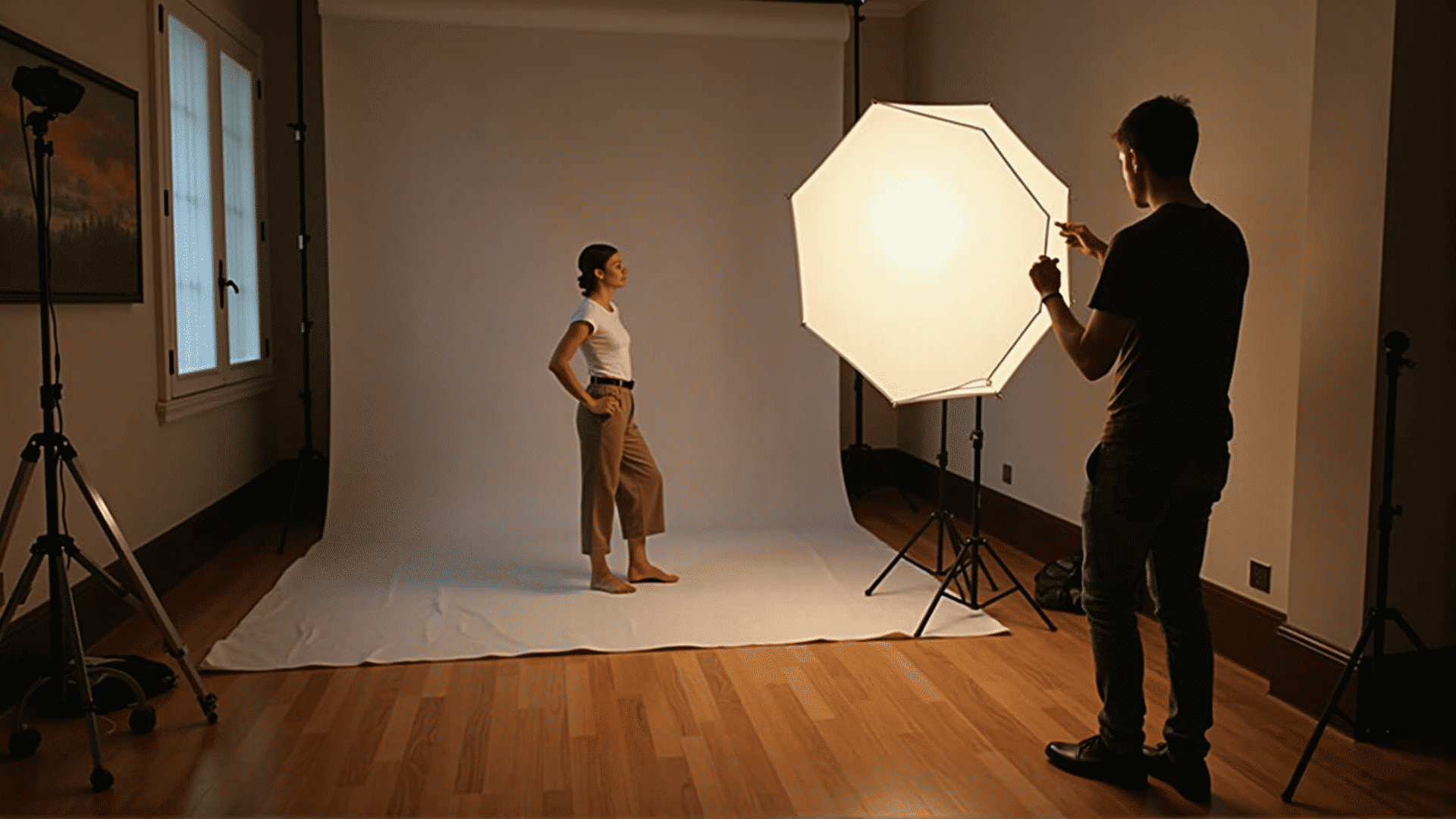
Studio lighting provides an opportunity to shape the light precisely. Softboxes or umbrellas diffuse the light, offering a softer effect that reduces harsh shadows and creates beautiful, flattering portraits. Exploring the use of LED panels and continuous lights can also add versatility, allowing you to adjust color temperatures to match natural light or create unique effects.
Reflectors and Diffusers
Reflectors and diffusers are valuable tools for managing light. A reflector can bounce light back onto your subject, filling in shadows naturally. They are especially useful in harsh lighting conditions, such as midday sun.
Diffusers soften the light before it hits the subject, ensuring that it is more even and less harsh. Incorporating these tools can significantly improve the quality of your images, providing balance and softness.
Creating Mood
Lighting is instrumental in setting the mood and atmosphere of your photography. Soft, diffused light often evokes a calm, serene ambiance, while sharp, contrasting shadows can introduce drama and intensity. Colored gels on lights can add a creative flair, altering the tone and emotion of your images.
Remember, understanding your desired impact and experimenting with various lighting setups will lead to more effective storytelling through your photographs.
Conclusion
By mastering lighting techniques, you can elevate the quality and impact of your photos. Combining your knowledge of natural and artificial light, along with employing reflectors, diffusers, and creative lighting strategies, will empower you to enhance your artistic vision. Embrace the transformative power of light, and watch your photography reach new heights.