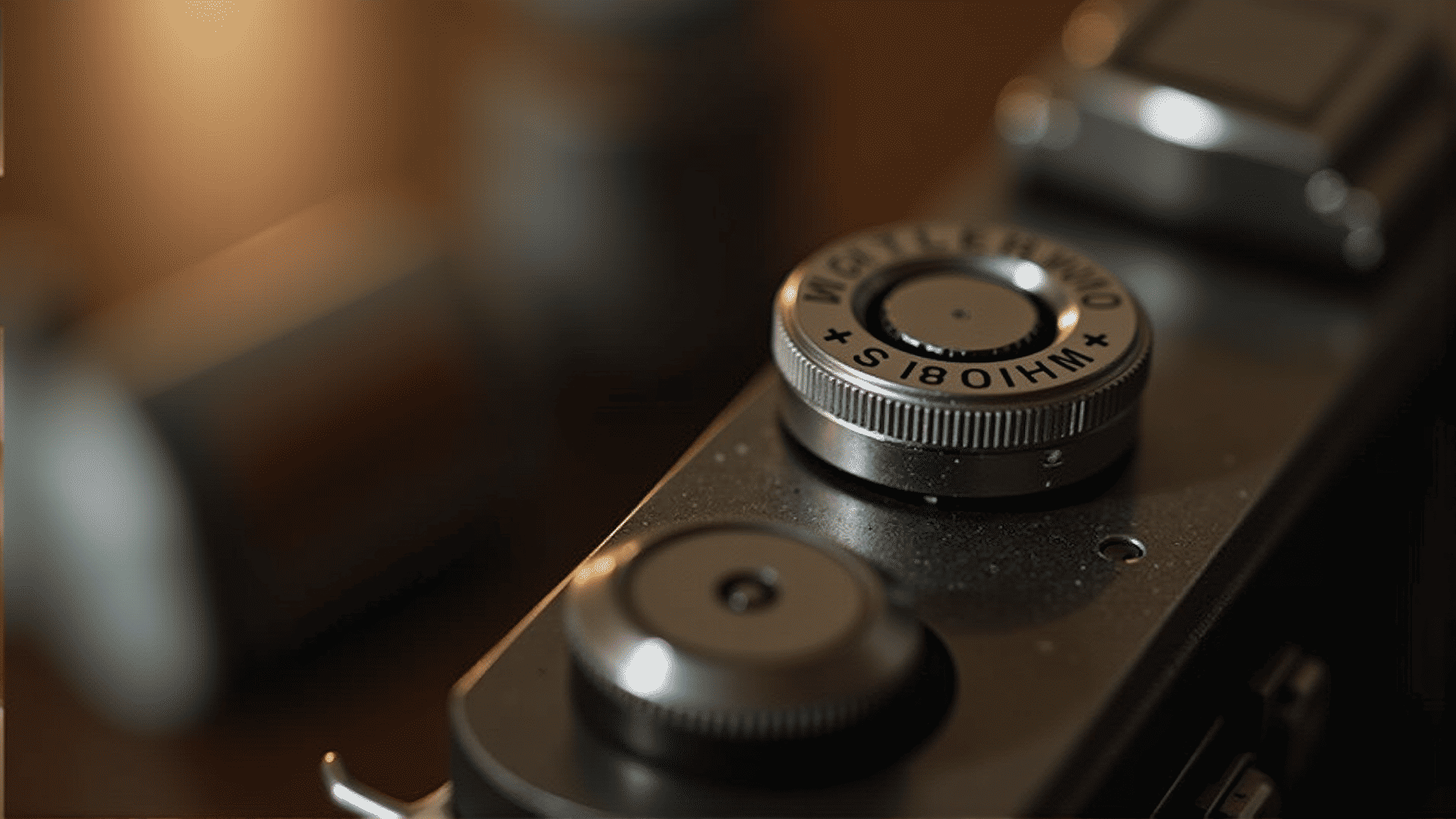
Mastering exposure is an essential step in the journey to capturing remarkable images, blending art and science in photography. The ability to manipulate light and shadow is the cornerstone of great photography, with ISO, aperture, and shutter speed forming the core trio that shapes this exposure.
To start, understanding ISO is crucial. It measures the sensitivity of your image sensor to light. A lower ISO, such as 100 or 200, means the sensor is less sensitive, ideal for bright environments and delivering crisp images with minimal noise. In contrast, a higher ISO, like 1600 or 3200, boosts sensitivity, useful for low-light situations but may introduce noise and graininess. The key is to balance sensitivity with clarity, using the lowest ISO possible for a given setting to maintain image quality.
Next, we explore aperture, the adjustable opening in a lens that controls the amount of light reaching the sensor. Represented in f-stops, a lower f-stop number (like f/1.8) results in a wider aperture, allowing more light and creating a shallow depth of field. This effect is perfect for portraits, where the background is beautifully blurred, spotlighting the subject. On the other hand, a higher f-stop (such as f/16) narrows the aperture, reducing light but increasing depth of field, essential for landscapes requiring sharpness from foreground to background. Mastering this balance is pivotal for artistic expression.
Finally, shutter speed dictates how long the sensor is exposed to light. A fast shutter speed, perhaps 1/1000 of a second, captures rapid motion without blur, ideal for action shots. Conversely, a slow shutter speed, like 1/10 of a second, allows more light but can cause motion blur, creatively used for conveying movement or in low-light scenarios. A tripod can be invaluable here to maintain focus and stability.
The perfect exposure often involves trade-offs among ISO, aperture, and shutter speed. For example, in a dimly lit setting, you might increase ISO for sensitivity, widen the aperture for light intake, and lower shutter speed to further compensate for low light, all while managing the trade-offs among noise, depth of field, and potential motion blur.
Experimentation is key to mastering these elements. Each scene presents unique challenges and opportunities, making practice an indispensable ally. By understanding and experimenting with ISO, aperture, and shutter speed, photographers can harness natural and artificial light to produce images that are not only well-exposed but also rich in mood and story.
In conclusion, grasping exposure's intricacies unlocks a world of creative possibilities, empowering you to capture not just a moment, but the emotion and atmosphere that come with it. With practice and patience, your photography can reach new artistic heights.