Photography is a captivating art form that melds science and creativity. At its heart lie composition rules that serve as the guiding principles for creating compelling images. Understanding these principles is crucial for photographers aiming to capture evocative and balanced visuals. Different photography styles often interpret these rules in unique ways, resulting in a diverse array of stunning images.
The Rule of Thirds
One of the most fundamental composition rules is the Rule of Thirds. This guideline suggests dividing the frame into a 3x3 grid, creating nine equal segments. By placing subjects along these lines or at their intersections, photographers can create more tension, energy, and interest in the composition than simply centering the subject. This rule is widely applied across various photography styles, from portrait to landscape photography, allowing for more dynamic and engaging visuals.
Leading Lines
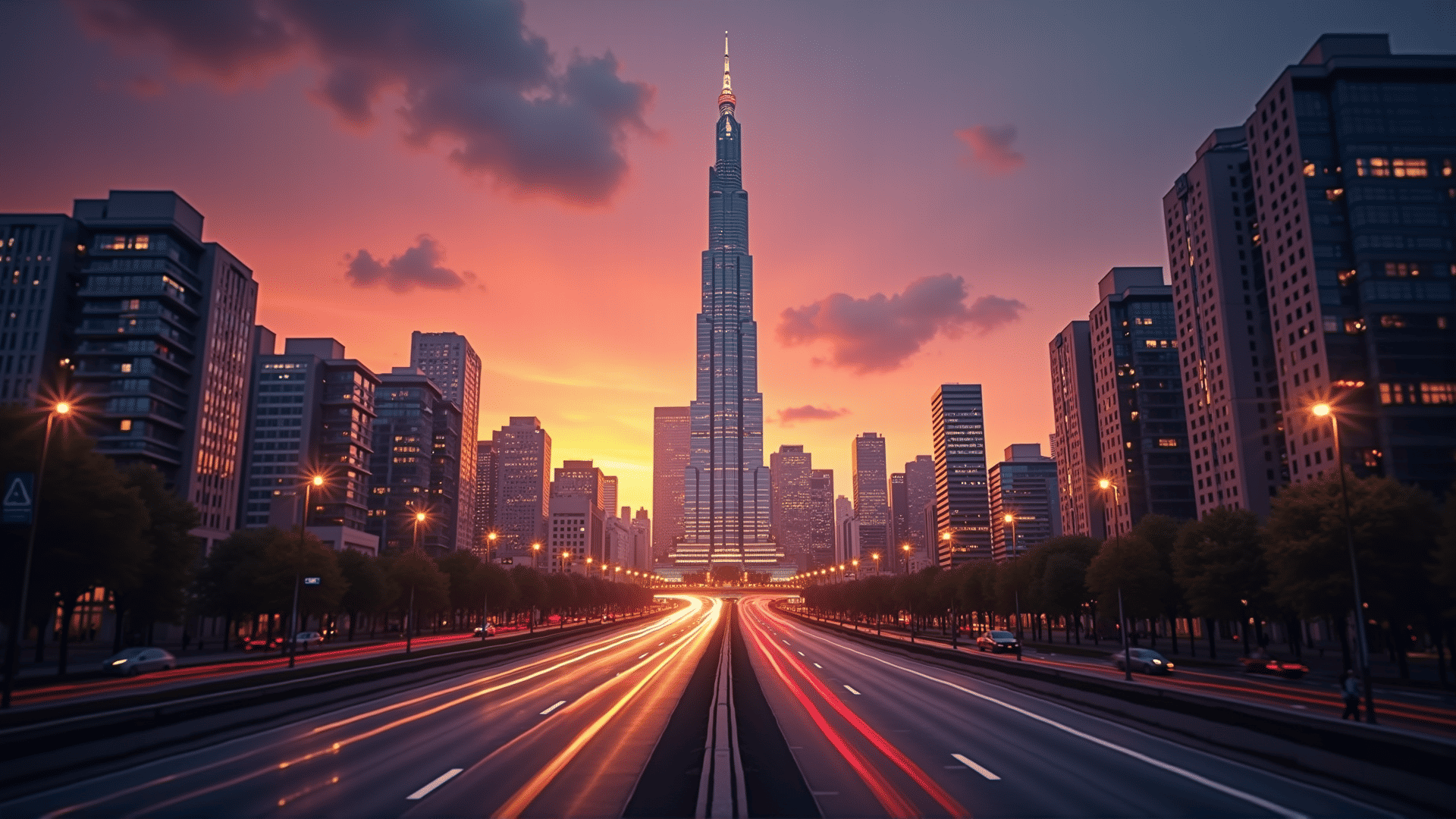
Leading lines guide the viewer's eye through the photograph, often leading them to the focal point of the image. These lines can be straight, curved, diagonal, or zigzag and are used to evoke a sense of depth and perspective. In architectural photography, for instance, the lines of a building can draw the viewer’s attention towards a particular section, adding a sense of scale and grandeur.
Symmetry and Balance
Symmetry provides a sense of harmony and balance, often resulting in a calming and pleasing image. In abstract or architectural photography, symmetry can emphasize geometry and pattern, creating a striking visual impact. However, achieving balance doesn’t necessarily require symmetry; asymmetrical balance, where different elements have equal visual weight, can also produce compelling results, especially in landscape photography.
Framing
Framing refers to using elements within the scene to surround and highlight the subject. This technique can add depth and focus, drawing the viewer’s eye directly to the point of interest. In nature photography, for example, trees or branches can naturally frame wildlife or a distant landscape, creating an immersive experience for the viewer.
Depth and Layers
Creating a sense of depth can transform a flat image into a three-dimensional experience. Layering different elements from the foreground to the background can accomplish this effect. This technique is particularly effective in landscape photography, where varying planes and elements, such as hills, trees, and skies, can add richness and a sense of place to the image.
Minimalism
Minimalism is a stylistic approach that embraces simplicity. It focuses on a single subject with ample negative space, stripping away distractions to focus purely on the subject itself. This style magnifies the importance of composition rules, as every element included holds significant weight. The minimalist approach can be powerful in both nature and street photography, where the emphasis is on isolating an element in a vast or bustling environment.
Conclusion
Mastering these foundational composition rules can significantly enhance a photographer's ability to create compelling images. By understanding and experimenting with these guidelines, photographers can explore various styles, from the structured beauty of architectural photography to the spontaneous candidness of street photography. Each style interprets these rules uniquely, contributing to the vast diversity and richness of imagery in the art of photography.