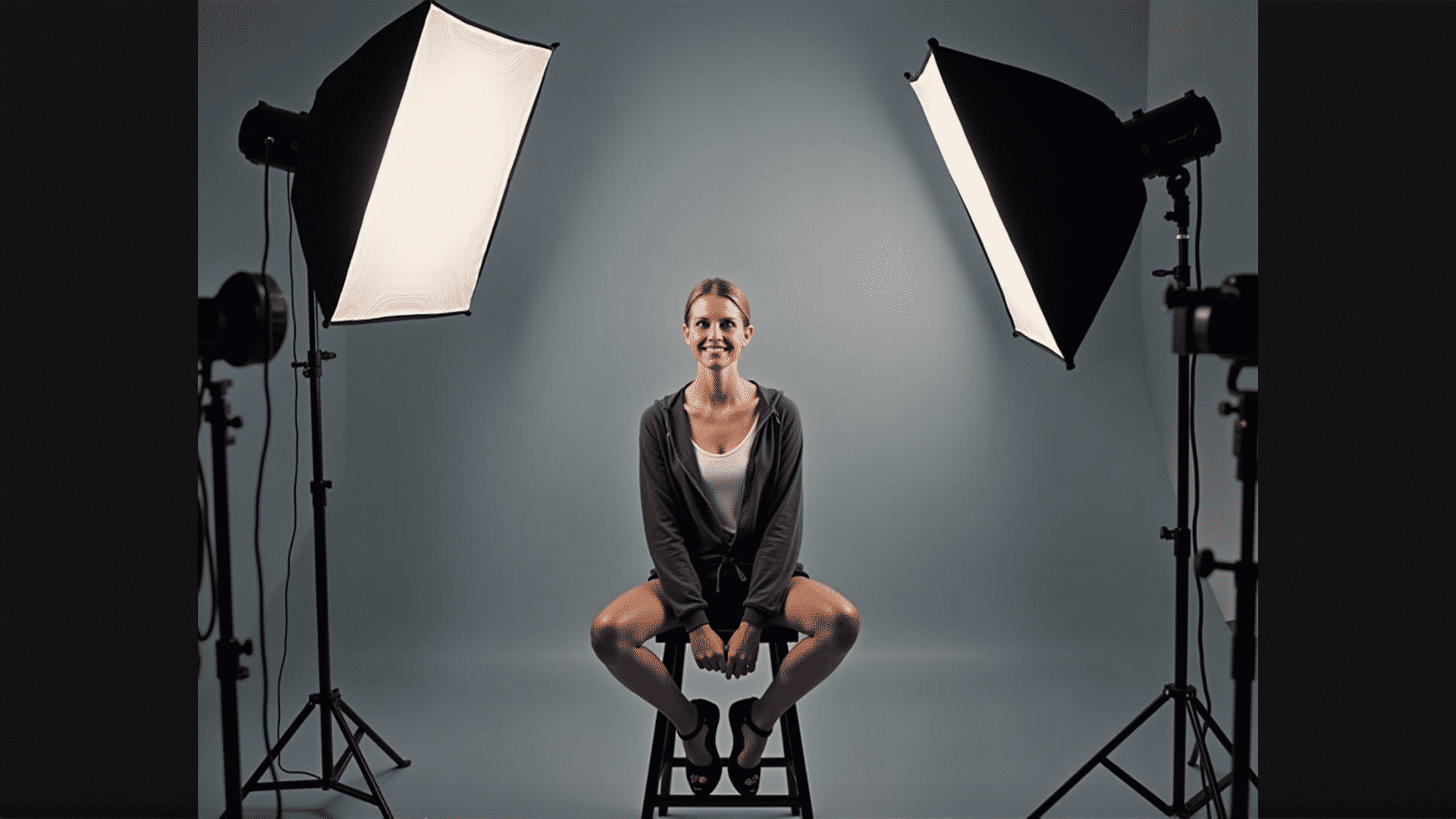
Understanding and manipulating lighting is crucial for achieving quality results in portrait photography. Light plays a significant role in setting the mood, highlighting features, and creating a specific atmosphere in your shots. Different lighting conditions can drastically change the outcome of a photograph, making it essential to recognize and control these variables effectively.
Natural Light vs. Artificial Light
Natural light, such as sunlight, is one of the most accessible light sources for photographers. Depending on the time of day, it can vary greatly in intensity and color temperature. Early morning and late afternoon, known as the golden hour, provide a warm, soft light that’s perfect for creating flattering portraits. The direct overhead sunlight at midday, however, can result in harsh shadows and highlights. With natural light, photographers must be ready to adapt quickly to changing conditions.
Artificial light, including studio strobes or continuous lighting, offers more control over intensity, direction, and color. It's particularly useful in creating consistent results regardless of external weather conditions or time. Beginners can start with simple setups like a ring light or a single softbox to illuminate their subjects evenly.
Understanding Light Direction and Quality
The direction of light impacts how subjects appear in photographs. Front lighting, where light is directed toward the front of the subject, minimizes shadows and provides even illumination. It’s beneficial for capturing every detail but may sometimes result in flat images lacking depth.
Side lighting, on the other hand, introduces shadows on one side, adding depth and dimension to portraits. It's ideal for highlighting texture and can create a more dramatic look. Backlighting, where the light source is behind the subject, can produce a silhouette effect or a distinct halo around the subject if controlled properly.
The quality of light—whether hard or soft—also influences the appearance of portraits. Hard light, producing sharp shadows, is useful for emphasizing specific details and textures. Soft light, with gentle shadows, is often more forgiving and flattering, smoothing out imperfections. This can be achieved using diffusers or bounce cards to scatter light evenly.
Modifying Natural and Artificial Light
Reflectors are essential tools for modifying light. By redirecting natural or artificial light onto a subject, they help balance shadows and highlights. They come in various colors—white, silver, and gold—each altering the color temperature and intensity of the reflected light.
Diffusers can soften harsh light, reducing clarity of shadows, making them an effective choice for both outdoor and indoor photography. Using barn doors, grids, and gels on artificial lights can further control the direction and color of the light, allowing for creative experimentation and precise adjustments in tone and mood.
Creating Mood with Color Temperature
Color temperature, measured in Kelvin, influences the mood of a photograph significantly. Cooler temperatures, with blue tones, suggest colder emotions, adding an element of calm or melancholy. Warmer temperatures, with yellow and orange hues, evoke warmth and comfort, often associated with energy and positivity. Adjusting color temperature can drastically alter the emotional undertone of a portrait.
Successfully capturing compelling portraits involves more than just pointing the lens at a subject. By mastering the dynamics and characteristics of light, photographers can transform ordinary portraits into evocative and professional compositions. Whether using natural or artificial sources, modifying light allows photographers to tell stories and evoke emotions through their imagery effectively.